



 Popular Categories
The Ultimate Police Academy Prep Guide: Everything You Need to Know for Success
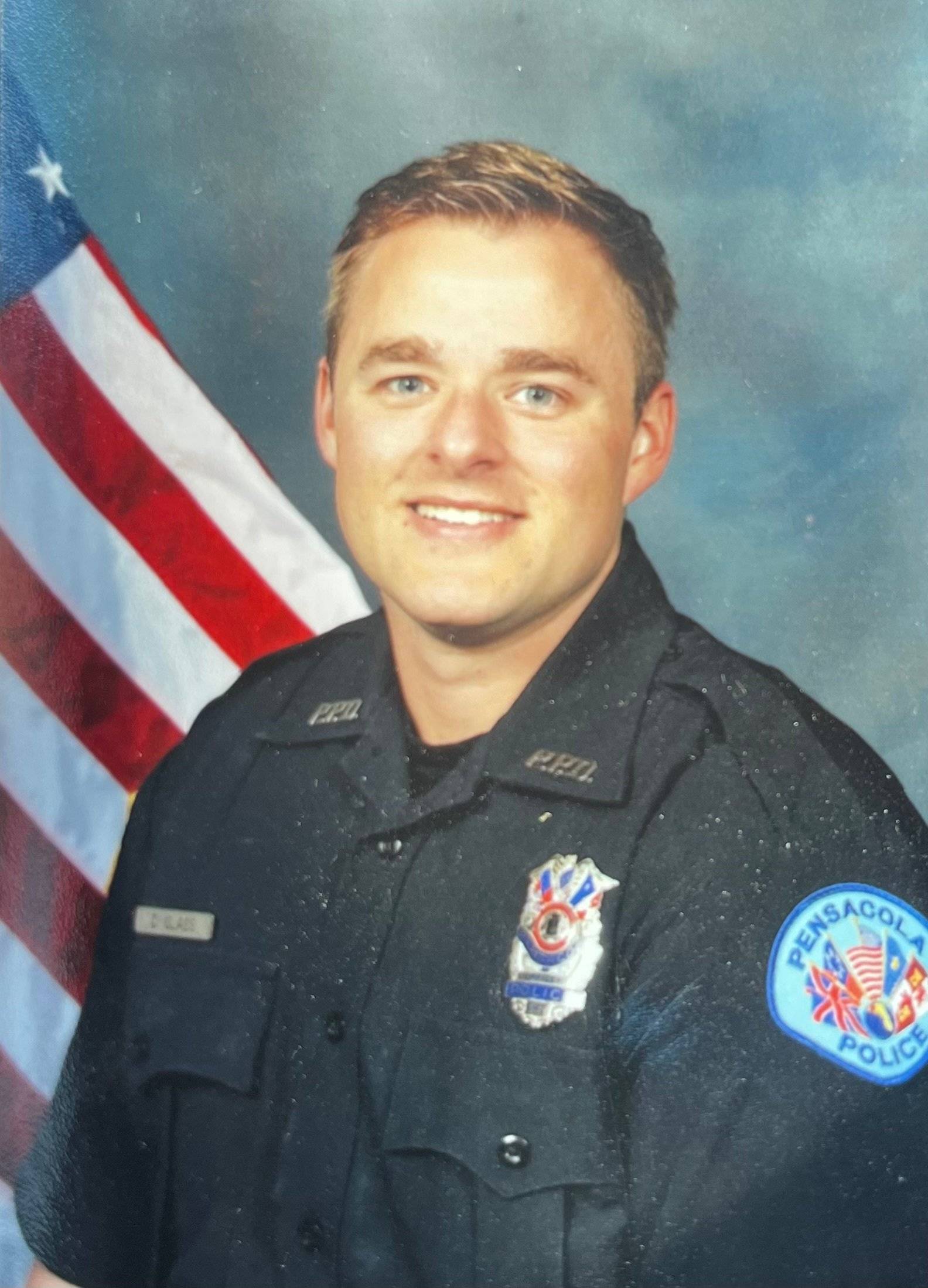
Imagine this. You just got hired on at your police department and you are off to the police academy. You show up in your button down and dress pants, ready to start your 19 weeks, eager and excited. Then, the instructors just start yelling. Pure chaos. In your face, screaming, judging, more screaming. They are making you run with all your items, down the halls, to the dorms, all while screaming. Now you are thinking, what have I gotten myself into.
This may be your first day, as it is the same first day as thousands of others out there. Your first day might also be much calmer and nicer, it simply depends on the academy you go to. How you respond to that is the foundation of your academy and your career.
If you’re getting ready for the police academy, you’re about to begin one of the most challenging and rewarding chapters of your life. Training will test you physically, mentally, and academically, but with the right preparation, you can step in with confidence and perform at your best. This guide walks you through everything from meeting fitness standards to staying mentally strong and setting yourself up for a long and successful career in law enforcement.
Preparing for the Police Academy
The academy is about more than just passing tests it’s about building habits and mindset that will carry you through your career. That means training your body to handle the demands of real-world police work, strengthening your mental resilience to deal with stress (professionally and personally), and learning how to balance multiple priorities without burning out.
Physical training should combine endurance work, strength exercises, and agility drills so you can handle everything from long runs to defensive tactics. Mental preparation is just as important. The pressures of training and the job require the ability to stay calm under stress, adapt to challenges, and recover quickly from setbacks. Managing your time well, staying organized, and committing to both academic and physical preparation will give you foundation you need to be successful in the academy and throughout your career.
There are different types of academies. Some are day time, where you get your phone and to go home at night. Some are overnight where things like phone calls are privileges you have to earn. The overnight academies are often the most strict and the hardest, however the day time academies only get a few hours with you to test you. Although it may seem like some instructors are trying to get you to quit, that is not the reality. The goal is to weed out the people who will sway in their moral compass, who will buckle in their first street fight, who will not uphold the badge with honor and integrity. It is also there to give tools to those who will serve and protect, to do so stronger, faster, with more skills and knowledge than they came in with. It will be hard. It is suppose to be because although everyone may want to become a cop, not everyone has earned that ability to be called an Officer.
Physical Fitness Standards
Physical fitness testing varies by department, but push-ups, sit-ups, running, and sometimes vertical jumps are common. Many academies require around 25 proper push-ups, so practicing form and gradually increasing your repetitions is key. If you are unsure of the proper technique you can google police academy push-ups and there are many videos that can help you tweak your form so it is correct.
A common mistake is that people do not lower themselves far enough, or their arms are too wide out or too close together. Core strength plays a major role in sit-up performance, which is often measured by how many you can complete in one minute. The mile and a half run tests endurance over time verses short bursts so training for short distance and long distance cardio is important. Some tests also include a vertical jump to measure explosive leg power, making jump training a smart addition to your workouts. Make sure to pick up the best performance apparel to help you achieve peak performance.
Mental Readiness
Success in the academy depends heavily on your mental state. Training is intense, and the better prepared you are emotionally, the more you will thrive. You will mess up, you will fail, you will suffer the consequences of your peers actions. It has happened to everyone in the academy. Maybe you or someone left trash in the classroom, maybe someone forgot to dust the trash bin in your room, or maybe someone forgot to address the random person walking down the hallway with “good morning sir/ma’am”. You will be yelled at, you will be tested and you will think why am I doing this or I did not sign up for this.
But you did. When you are on the riot line and protestors are yelling at you, or when you are controlling a scene post fight/shooting. Not everyone is happy when you arrive. That is what these moments prepare you for. How you handle unexpected stressful situations that you did not create.
Techniques like deep breathing, mindfulness, and visualization can help manage stress. Setting realistic goals and celebrating small wins will keep you motivated, while reframing challenges as learning opportunities will strengthen your resilience. Be prepared for the suck. Embrace it. The academy is designed to be hard so that the real world seems easy.
They cannot kill you (sometimes an important reminder). There will be yelling, lots and lots of yelling, and some days it will feel like your class cannot do anything right. This is simply a test. Designed to break you down and then rebuild you together as a unit.
Study Materials and Academic Prep
Academy coursework covers a wide range of topics, including case law, ethics, report writing, patrol tactics, traffic and DUI, and criminal investigations. The earlier you start studying, the easier the transition will be. Using a planner or calendar to track assignments, workouts, and study sessions ensures you stay on top of your schedule. Studying a little each day is far more effective than cramming before a test, and asking questions in class can deepen your understanding and help you apply concepts in real-world scenarios. Do not wait until the last minute to prepare. Although it may seem like easy knowledge, the SOCE exam will dive deeper into the core competencies so refreshing what you learned that day/week is crucial. Take advantage of your peers during down time, or find practice exams online and take those.
Physical Training Essentials
Training for the academy should start months before day one. Do not wait for the academy to get you into shape. Often times there is an entry PT test. If you fail, you go home and have to try again the next academy. The earlier you prepare your body, the lower the risk of injury you will sustain throughout the academy. This applies to both men and women in policing.
The 1.5-mile run is a standard test, and top scores are generally under 12:30 for women and 10:30–12:00 for men (check with your local academy as they may have a sliding scale depending on age and gender). Interval training is an excellent way to build both speed and stamina, and gradually increasing your running distance beyond 1.5 miles will make the test feel easier. During the academy, it would not be uncommon to go for 3 or 4 mile runs as a class so preparing for longer will only help you in the long run.
Strength training is equally important as push-ups build upper-body power, while sit-ups and planks develop the core stability needed for many police tasks. Injury prevention should never be overlooked. Warming up with dynamic stretches, cooling down with static stretches, and incorporating foam rolling into your routine can keep you healthy throughout training. Nutrition and hydration play a big role in your performance and recovery, so focus on balanced meals, proper hydration, and adequate rest.
Top rated picks to help you train:
Adidas Men’s TechFit Compression Short Sleeve Training T-Shirt: locked-in, supportive fit that enhances muscle performance while keeping you cool and dry.
Under Armour Tactical Training Shorts: offer lightweight, breathable performance with a durable design that stands up to tough workouts.
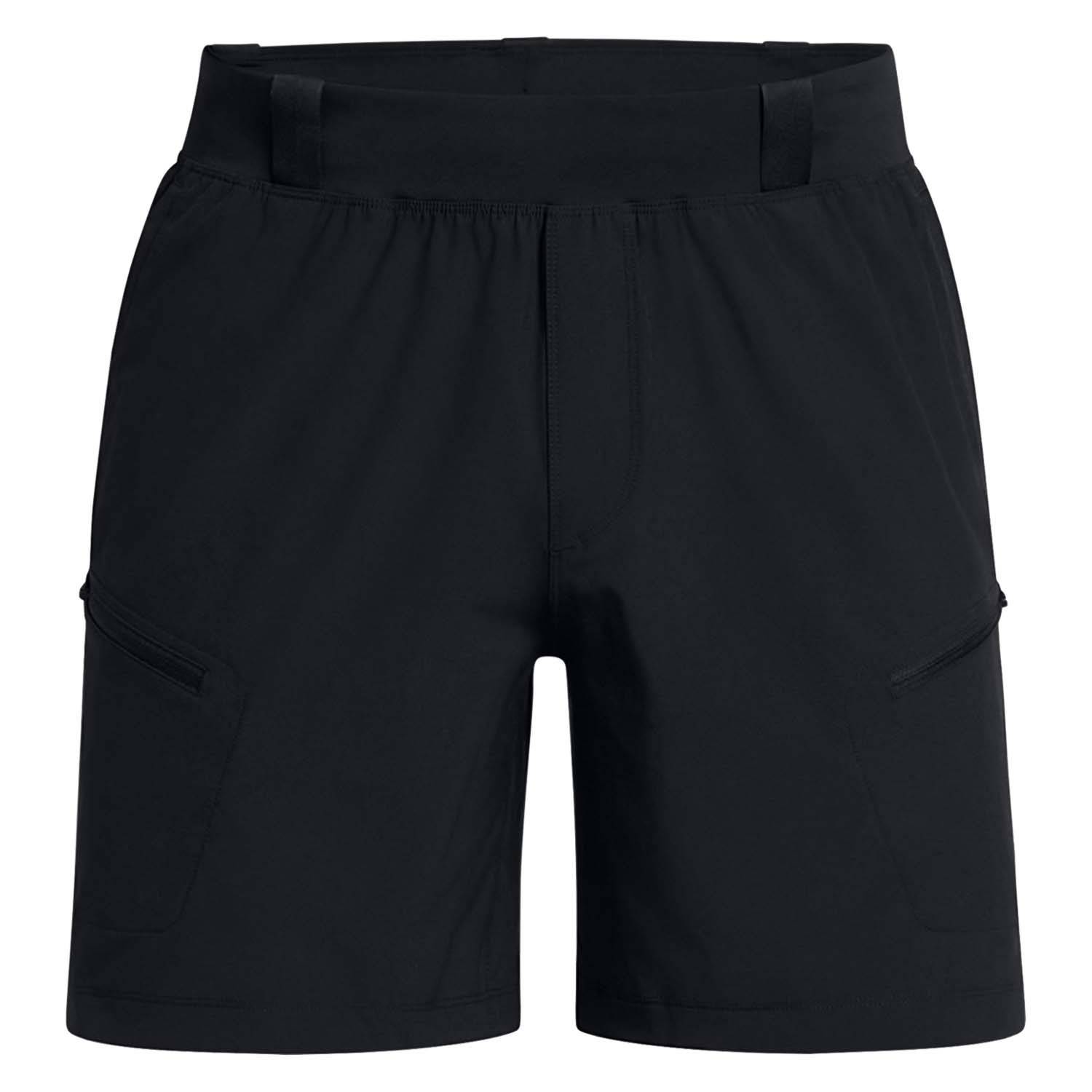
Mission Made Men’s 6" Tactical Side-Zip Boots: sneaker-like agility with the durability and support of a duty boot.
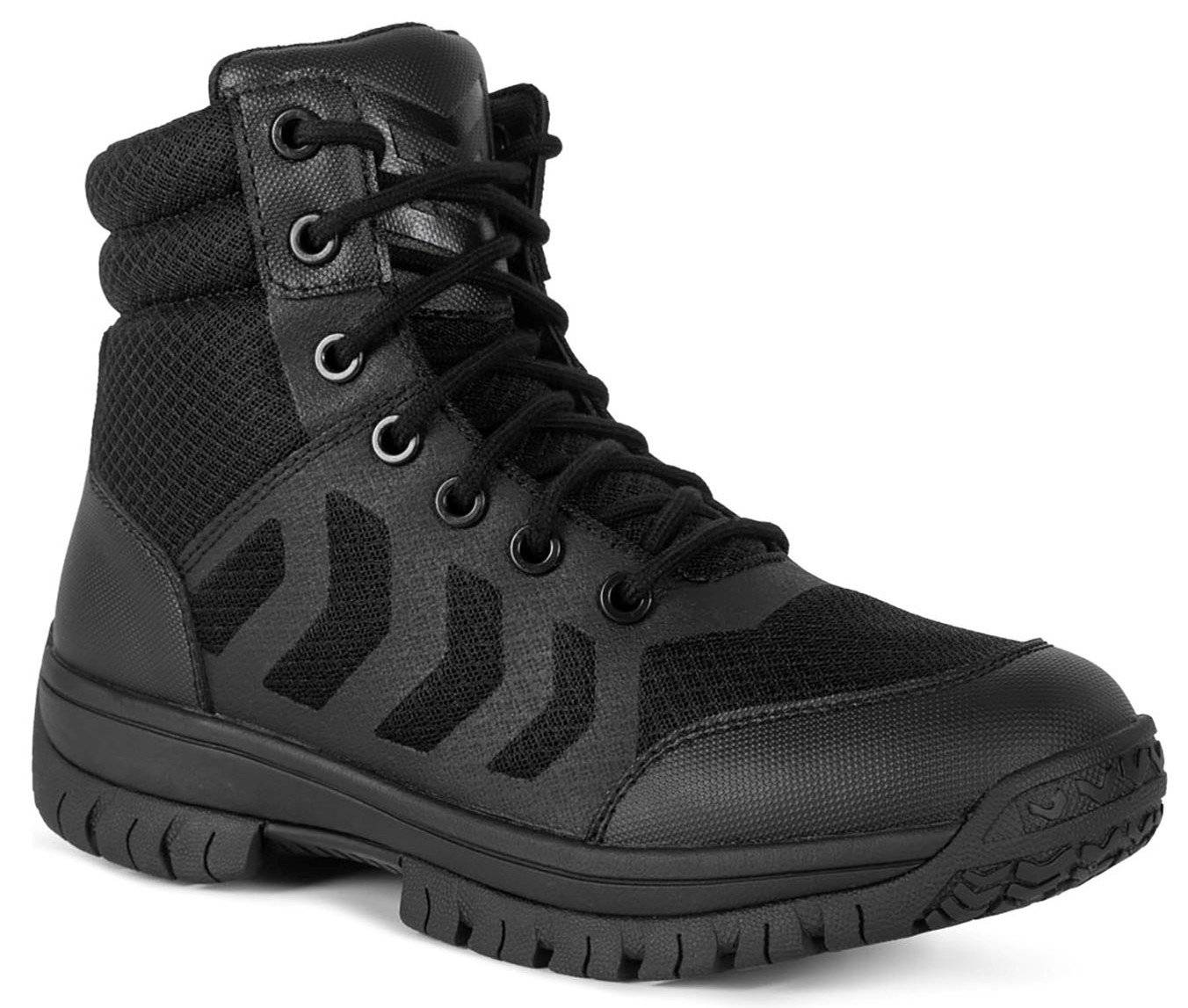
Mission Made Men's Crew Neck T-Shirt: offers soft, durable poly-cotton shirts with UPF 50+.
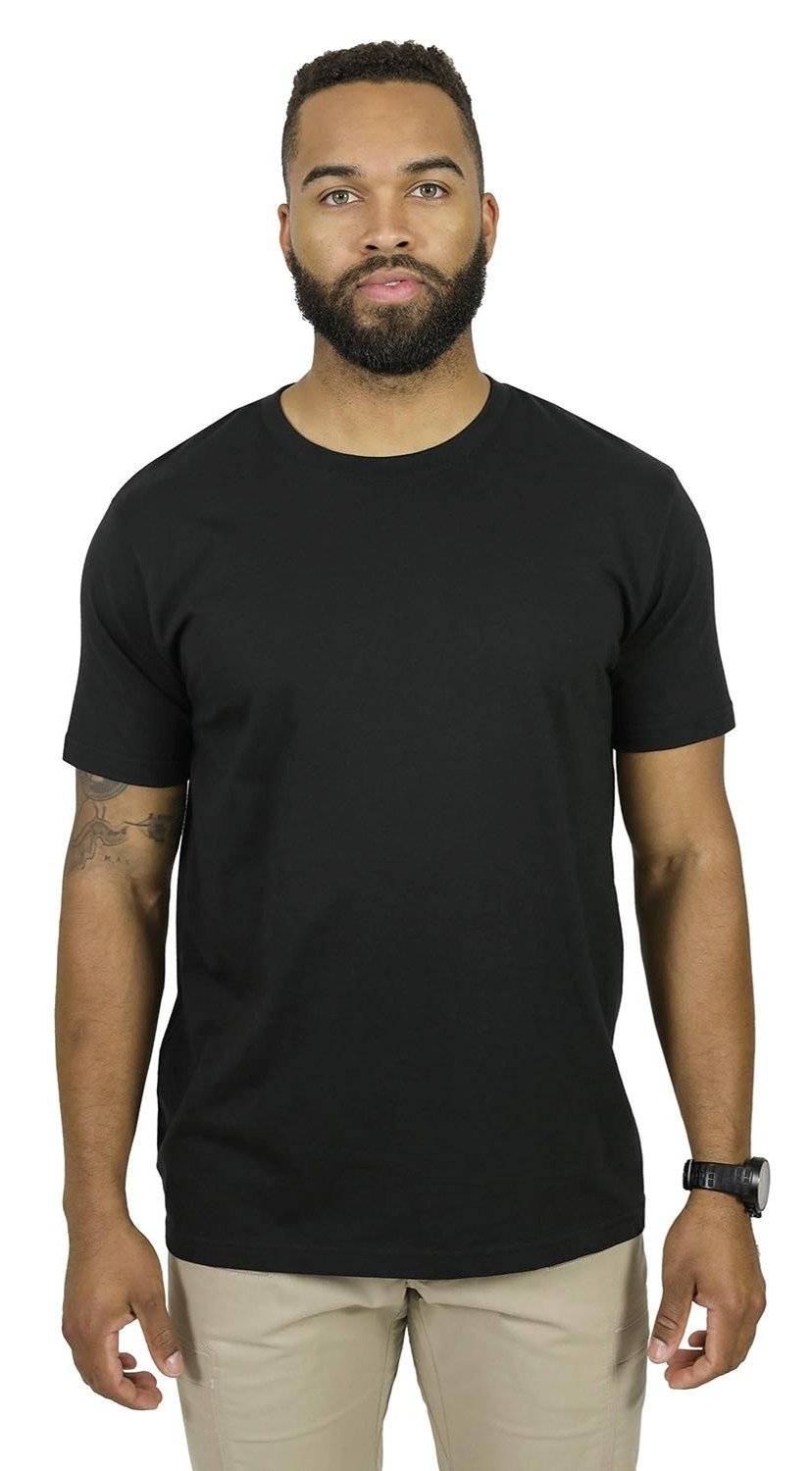
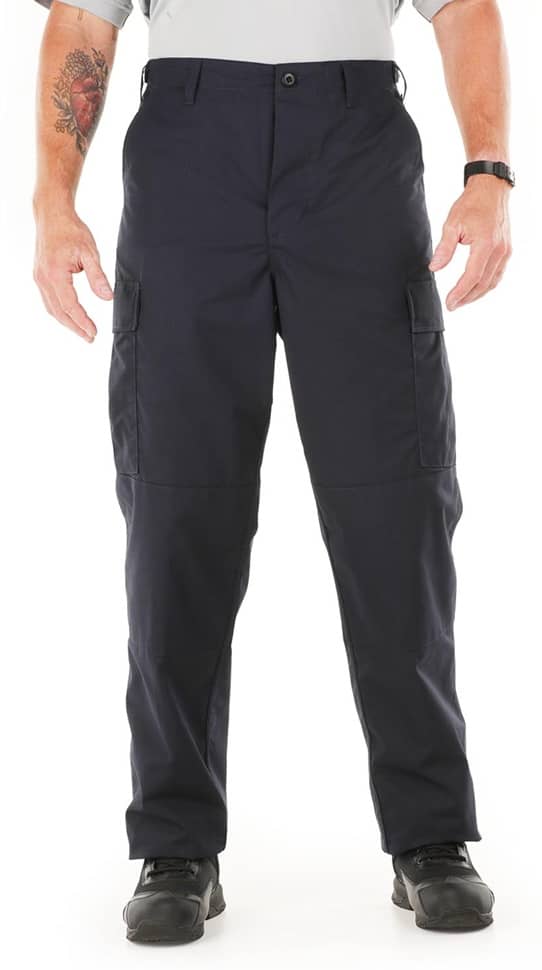
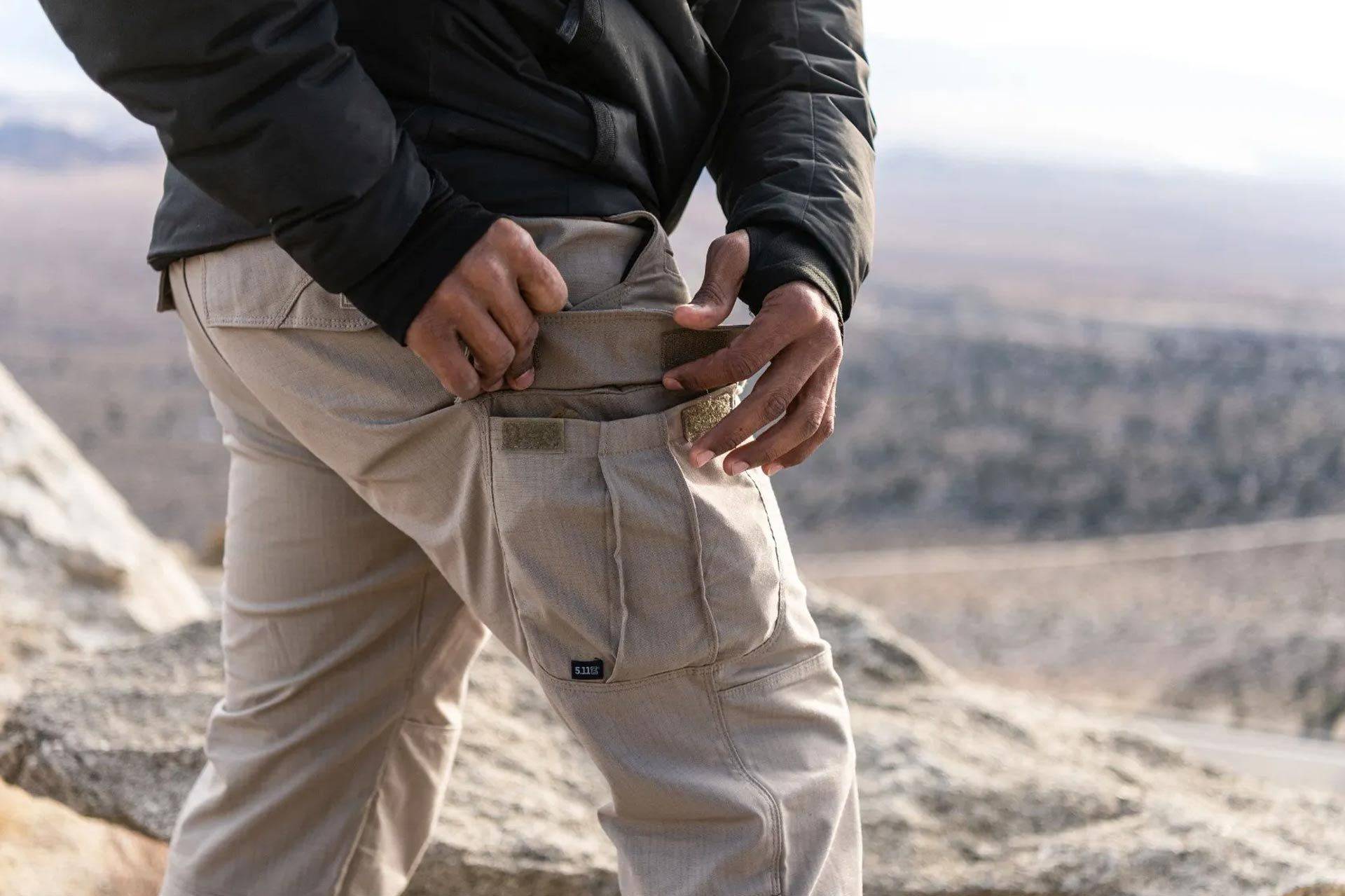
Galls 6 Pocket Poly Cotton Ripstop BDU Pants: offer mil-spec durability, ripstop poly/cotton comfort, and a pro fit with reinforced knees and adjustable waist tabs.
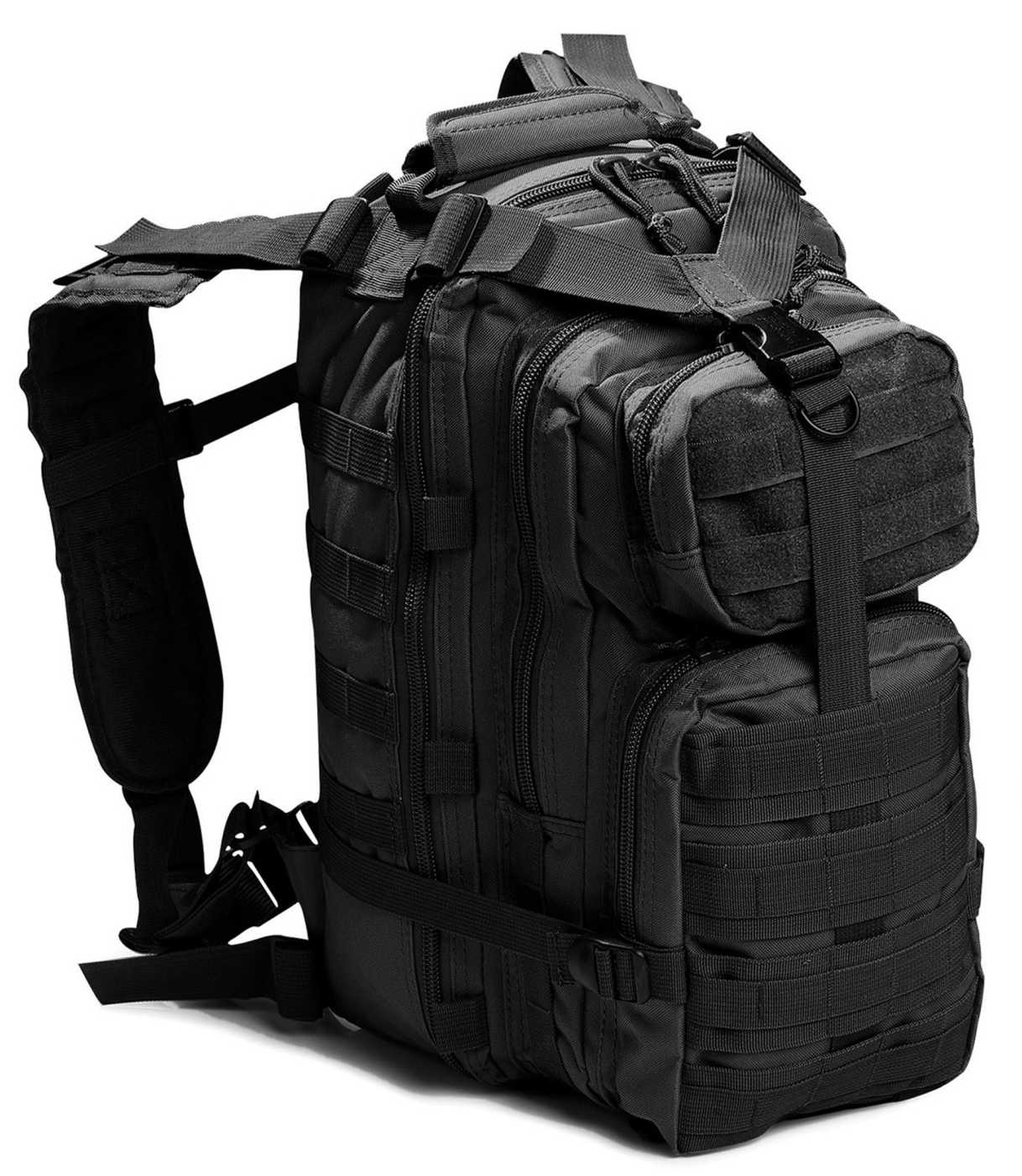
Galls Tactical MOLLE Backpack: offers rugged 600D poly build, expandable storage, and padded comfort.
Going Beyond the Basics
While meeting academy standards is the goal, exceeding them will give you confidence and endurance when it matters most. Training for vertical jumps develops explosive leg power, which can help during pursuits or defensive maneuvers. Improving grip strength is important for subject control and equipment handling.
Learning defensive tactics ahead of time can give you a head start and help you move more efficiently when those skills are tested. At the end of the day/shift, the mindset is that you go home. You can never over train your defensive tactics technics, you can never be too fit, and the manually dexterity is crucial under stress. The foundation you are building now will be the key to getting out of some situations you will inevitably experience.
Developing Good Habits Early
In law enforcement, punctuality, accountability, and respect are not optional they are expected. Start practicing these habits now so they become second nature. Being early, following through on commitments, and treating everyone with professionalism will help you earn the respect of instructors and peers alike. Effective time management will help you balance training, studying, and personal life, while early financial planning will ensure you can focus on your training without money-related stress.
Managing Personal Affairs
Life doesn’t stop for the academy, but the fewer distractions you have, the better you’ll be able to focus. Before training begins, take care of bills, childcare arrangements, and other personal responsibilities. Communicate openly with your family about the time and energy demands of the academy so they understand what to expect and can offer their support. Understand that some academies do not allow for cellphone usage unless at the end of the day so communication with friends and family will be harder. Other academies do not allow for cellphones until you earn that privilege which would be a week, it could be 3. This is often a huge mental and emotional hurdle so prepare yourself and others for this change.
It is also important to remind yourself that although you are full immersed in the academy and beginnings your career in law enforcement, those around you still want to spend time with you. Ensure that you have hobbies outside of the career, friends outside of the career, and that you remember how to be present in life without being in “cop mode” all the time. [maybe go in a paragraph below]
Career Development and Long-Term Success
Things will get tough. It is inevitable. Knowing why you want to be in law enforcement will help you stay motivated when things get tough. Whether it’s a desire to serve the community, protect citizens, or uphold justice, keeping that purpose in mind will help you through challenging days. Your first few years will be about finding what you enjoy doing. In Field Training, you will take all the calls, all the reports, and have exposure to everything possible. As you progress post FTO, you can start to focus on narcotic intervention or for me personally, DUI investigations. While you develop these skill sets, look for training opportunities to continue to grow and develop, but do not lose site on being a well rounded officer.
Many agencies partner with local colleges and offer tuition reimbursement. Take advantage of these opportunities if you do not have a degree to obtain on. This may be necessary if you are trying to promote or move into a specialized units. Bachelor’s programs most common pursued are Criminal Justice, Psychology, or Business Management. Once the BA is obtained consider earning a master’s degree which will prepare officers for leadership roles and policy development (think Lt, Captain and Chief level roles). The key to long-term success is continuous learning taking advantage of online courses, seminars, and department training to keep your skills sharp.
Safety and Wellness
Your safety depends on your training, your fitness, and your mindset. Staying physically fit and eating well will improve your performance on duty, while mindfulness and stress management practices will protect your mental health. A healthy lifestyle will not only help you during the academy but will also keep you effective throughout your career.
It is easy to make simple choices, it is hard to make right choices. There will be many chances to swing through your local drive through for the burger and fries. There will be many times community members bring in pizza and donuts. Remember that some days are less active, you may be in the car more than out, or at the station working on a big report. Meal prep and taking some time to walk around will be crucial not for the first year success but to make your career 25-30 years verses three.
Remember that training does not stop in the academy. Your agency is required to give some hours of mandatory training in defensive tactics and firearms but that is enough to keep you proficient but does not mean it is enough to keep you effective. Some agencies go above and beyond that. Invest in your own safety because you determine if you go home. From applying self defense techniques you've learned to choosing the best tactical boots for law enforcement officers, you are also responsible for the safety of the community and your shift mates. Ask yourself the following questions:
- If you are in a physical fight, can you make it out or sustain long enough for help to arrive?
- Could you drag someone out of danger to safety?
- Could you kick in the door if you needed to?
- Are you ready for the worst possible scenario?
If you’re answers are “no” or unsure, then you need to invest more in your physical skills. Programs like Adopt-A-Cop offer BJJ training free. Other places may give you a discount. Stay in shape and prepared because one day it will make the difference.
Remembering Your Motivation
Every officer will experience ups and downs in their career, and your initial motivations may be tested. Reflecting on your personal reasons for pursuing this path can keep you grounded and committed. Strong leadership skills, self-awareness, and the ability to inspire trust are qualities that will make you not just a good officer, but a great one. You are not alone in these feelings either. Every officer will have days they question things. You make a great case and the courts let the suspect go with very little consequences, or maybe there was not enough evidence to arrest. There will be scenes you never forget and never want to experience again. Talk to others as it helps process what you are experiencing. Organizations like BLUE H.E.L.P. offer programs to help during hard times, all confidential as well. Many agencies have a confidential help line that you can reach out to as well. Do not be afraid to ask for help. The stigma is no longer as present in law enforcement as it used to be. Take a day off from work to decompress and reflect on all the good you have done.
They say law enforcement is a thankless job. Arrest a DUI suspect, you saved every other person on that roadway that night. No one will know it but you. Arrest a domestic violence suspect, you saved the person on the other side of that violence, but they may never say thank you. Every act that you do has a snowball effect. Stop an active shooter and everyone will know and appreciate it, but most of your work will be done behind the scenes and the impact may never be as public. Remember you are there to serve and protect the community, not become a news headline. While "thank you’s" may be less frequent, most of the community is behind you and appreciates the daily sacrifice even if they never say it.
Starting Your Training Early
The earlier you begin preparing for the academy, the more confident you will feel when it begins. Gradually increasing your workout intensity will build the strength and endurance needed to meet physical standards and not risk injury. Remember that what you learn in the academy is a generic curriculum while what you learn post academy will be tailored to your day to day job. Every instructor is different, everyone learns differently. Help your classmates when they need it, rely on each other to make it through the suck, and appreciate the experience that not everyone is privileged to get. Set yourself up to carry over the skills and techniques you learn and always continue to grow and do better. Combininnsistent physical training with academic readiness creates a strong foundation for success.
Related Posts

Disclaimer: The information in this blog post is for general informational purposes only and should not be taken as legal, regulatory, safety, or professional advice. Galls, LLC and its affiliates (collectively, the “Company”) distribute public safety and law enforcement products but do not manufacture the items discussed. All product details are based on manufacturer-provided information and have not been independently verified by Galls. We make no warranties regarding the accuracy or completeness of such information. Readers should consult the respective manufacturer or regulatory authority for the latest details.
For more detailed information, visit our Disclaimer Page.
 Item Added to Cart!
